
The Only Providers in Sydney With This New Advanced Technology.
Our new state-of-the-art DOC Non-Surgical Spinal Decompression Table takes pressure off bulging discs and pinched nerves, reducing pain and improving mobility.
Currently exclusive to our Bonnyrigg location.
Sciatica, Bulging Discs, or Back Pain That Won't Go Away?
If you've been living with ongoing back or neck pain and haven't found lasting relief, or if surgery has been raised as your next step, this may be worth exploring first. It's commonly used for:
- Sciatica pain in the back of the legs
- Nerve related pain in the arms
- Bulging or herniated discs, including specific levels like L4-L5, L5-S1
- Degenerative disc disease
- Spinal stenosis
Every case is different, which is why we assess you thoroughly, including a review of your imaging, before recommending decompression as part of your care plan.
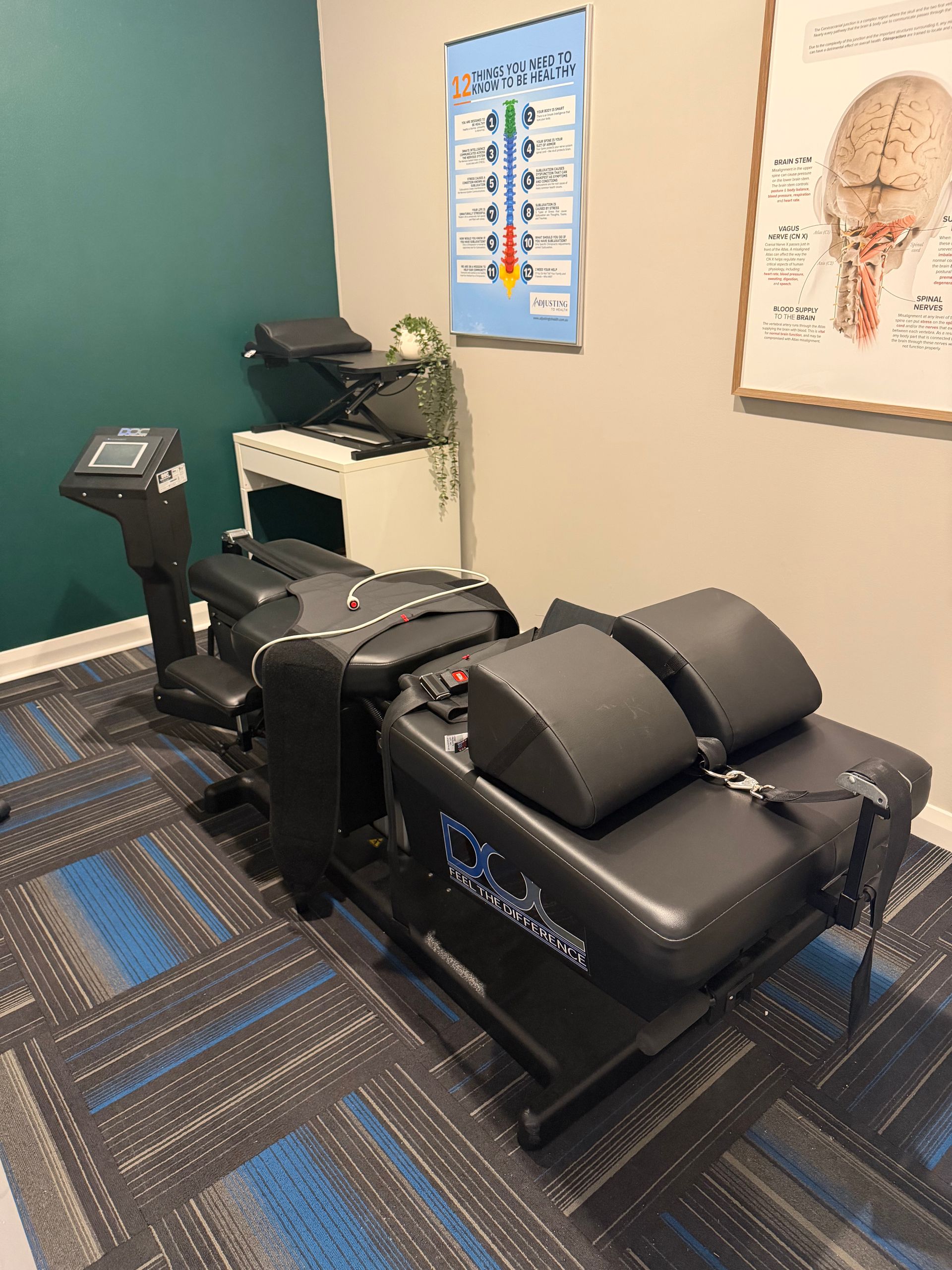
What Is Non-Surgical Spinal Decompression?
Spinal decompression is a safe and effective, drug-free therapy that uses precise, controlled traction to gently separate the vertebrae. This creates a negative pressure effect within the disc, encouraging bulging or herniated material to draw back into place while boosting the flow of oxygen, water, and nutrients the disc needs to repair itself.
What makes our decompression therapy different is the technology behind it. We treat using the DOC decompression table, state-of-the-art equipment that is one of the most advanced technologies available for non-surgical spinal decompression in the world.
There is only 1 of these tables in Sydney right now in 2026. This is a completely new class of technology, giving us the ability to provide targeted treatment to a specific disc level rather than simple stretching the whole spine.
Unlike common 'spinal traction' tables, this non-surgical decompression technology lets us target the exact disc causing the problem.
Considering Surgery? Read This First
If you've already had surgery booked, or your specialist has raised it as an option, it's worth understanding what the research actually says before you go under the knife. A 2025 study of 210 patients with lumbar spinal stenosis, followed for a minimum of five years, found that while surgery produced faster short-term relief, it also carried real risks: reoperation was required in 12.3% of surgical patients, dural tears occurred in 5.7%, and wound infections in 3.3% [3]. By the five-year mark, outcomes between the surgical and non-surgical groups had converged substantially.
This doesn't mean surgery is never the right call, some people genuinely need it. But it does mean a structured, non-surgical approach is a reasonable first step for many people, rather than jumping straight to an operating table with its recovery time, cost, and risk of complications.
How It Works
Non-surgical spinal decompression isn't a quick five-minute stretch. It's a structured program built around your specific diagnosis, typically delivered over a series of sessions so your disc has time to respond and heal. Here's what that program actually looks like from your first visit through to your results.
If you've been living with ongoing back or neck pain and haven't found lasting relief, this new approach to decompression may be exactly what's been missing.
Before
During
After
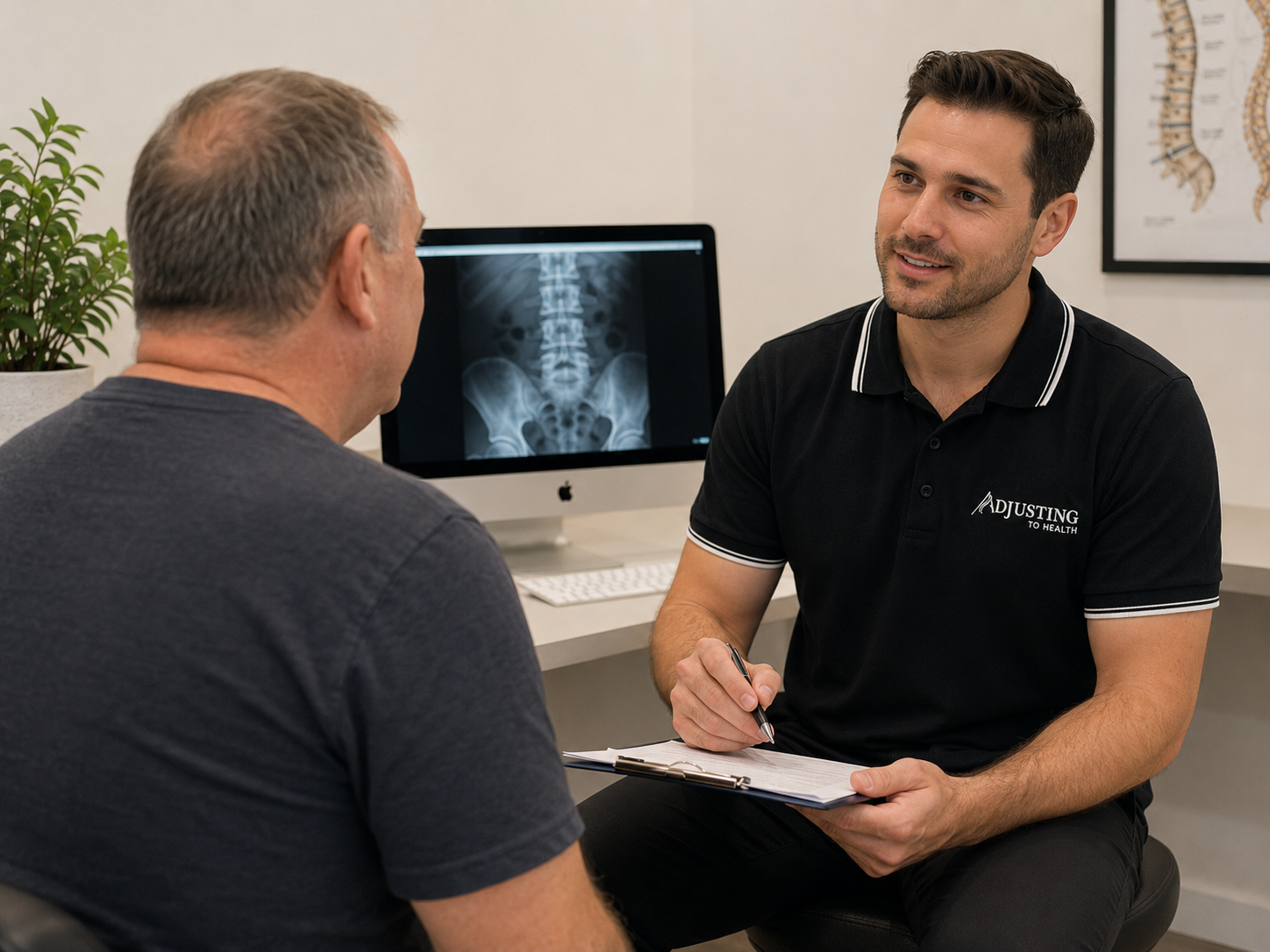
Before any treatment begins, we complete a full history, physical exam, and a review of any imaging you've had. This tells us precisely which disc level, whether that's L4-L5 in your lower back or C5-C6 in your neck, needs targeted attention, and whether decompression is appropriate for you.
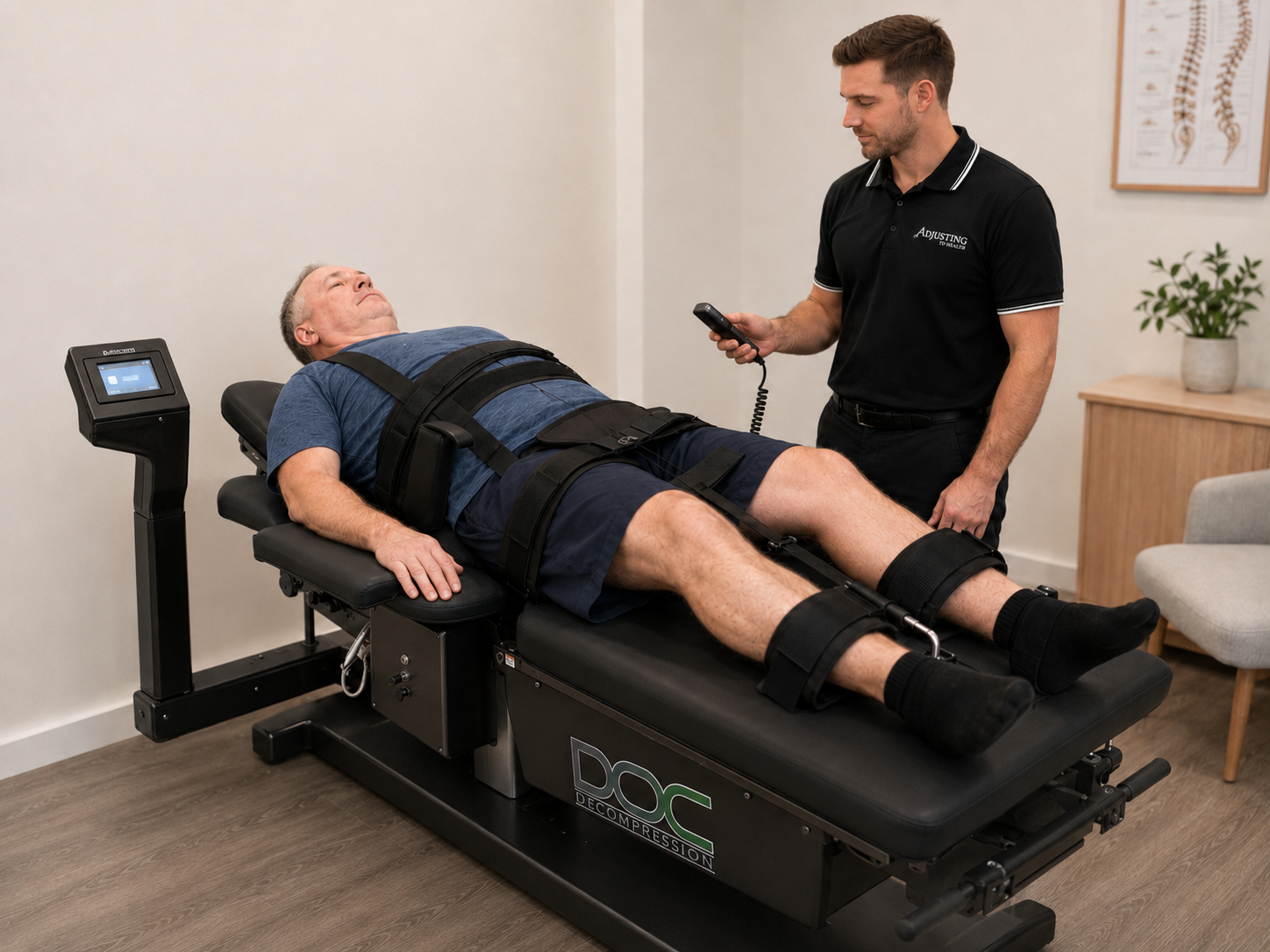
You lie comfortably, fully clothed, on our DOC decompression table. The system applies a slow, controlled stretch calibrated to your exact disc level, gradually reducing pressure inside the disc. Sessions are gentle by design, most patients describe it as a mild, comfortable pulling sensation rather than anything forceful.
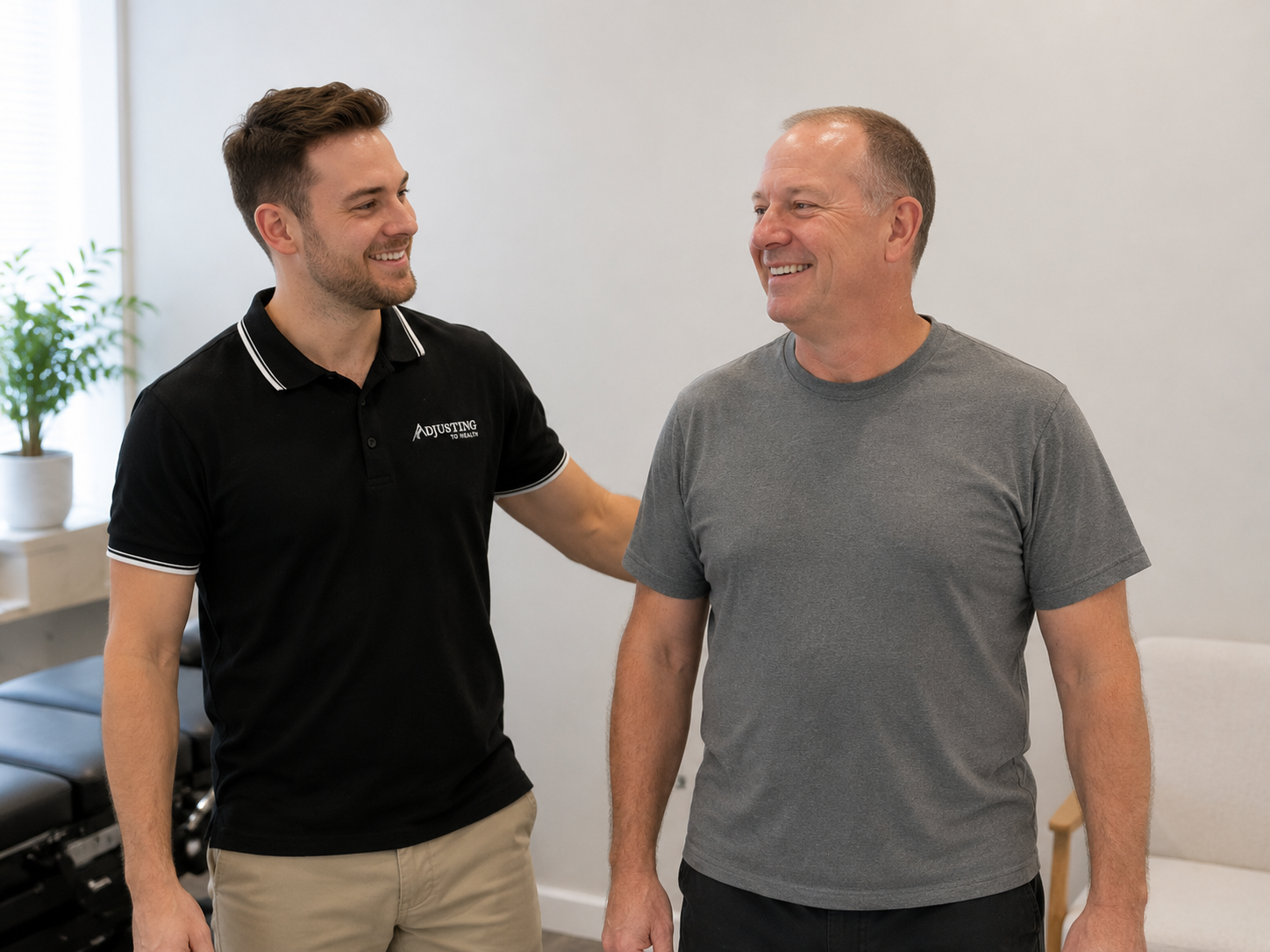
Relief tends to build progressively across your treatment program rather than all at once. A 2025 case series recorded pain improvements of around 80% and disability improvements of around 50% over a full course of treatment, alongside MRI-confirmed increases in disc height [1].
A separate, larger 2025 review of 267 patients found 90.5% reported reduced pain after treatment [2]. Mild and temporary soreness after a session is normal, similar to how muscles may feel after exercise.
Why This New Technology
State-of-the-Art
Our DOC non-surgical spinal decompression technology is the most advanced available today.
Exclusive
We're the only practice in Sydney that has invested in this new technology. Visit our Bonnyrigg location.
Disc Specific
Treatment is targeted to your exact disc level, lumbar or cervical, instead of a generic full-spine stretch.
Lumbar & Cervical Decompression
Non-surgical spinal decompression isn't just a quick 5-minute stretch. It's a structured program built around your specific diagnosis, delivered multiple sessions allowing your discs time to respond and heal.
New Disc Specific Decompression Therapy
Lumbar Spine
Cervical Spine
Disc specific therapy for every level including L3, L4, L5, and S1. Ideal for disc bulges, sciatica, and the "L5 disc" pain so many people are told they have. A safe and effective natural alternative to consider before booking invasive and risky lumbar surgery.
Precision treatment for all disc levels including C5, C6, and C7. Helps with neck pain and pain radiating into the shoulder or down the arm. Often recommended for people weighing up cervical surgery or exploring a safe and natural alternative.
Non-Surgical Decompression Vs Surgery
For many people dealing with disc-related back or neck pain, surgery has felt like the only serious option left, especially once a specialist mentions it. Research suggests it's worth pausing on that first.
A 2025 case series found significant improvements in pain (80%), disability (50%), and subjective recovery (75%) following non-surgical spinal decompression, along with MRI-confirmed increases in disc height and a 77% reduction in visible disc herniation [1]. A larger 2025 chart review of 267 patients across 7 clinics found 90.5% reported reduced pain, alongside significant improvements in reflexes, muscle strength, and daily activities like walking, dressing, and sitting or standing [2].
Separately, a 2025 study comparing surgical and non-surgical treatment for lumbar spinal stenosis found that while surgery delivered faster initial relief, it carried real risks, including a 12.3% reoperation rate, dural tears in 5.7% of patients, and wound infections in 3.3%, with outcomes between the two groups largely converging by five years [3].
That's not a reason to rule surgery out if you genuinely need it. But it is a reason to explore a structured, non-surgical program first, especially one built around precise, disc specific treatment rather than generic care.
Safety First
Spinal decompression is well tolerated by most people, but it isn't right for everyone. It may not be suitable if you have:
- Severe recent trauma
- Advanced osteoporosis
- Spinal fusion
- Currently pregnant
We never place you on the table without a proper assessment first.
Your safety and examination results guide every clinical decision we make.
We Don't Guess, We Test, meaning that you can rest assured knowing your in safe hands.
Be Among The First To Experience It
Book a consultation and find out if our new, state-of-the-art, disc specific spinal decompression technology could help you avoid or delay surgery, available at only 2 practices in NSW, and the only 1 in Sydney, here at Adjusting to Health Bonnyrigg.
FAQ's - Frequently Asked Questions
What does it mean to have an L5 disc problem?
L5 refers to the last bony segment of the lumbar spine, just above the sacrum. Discs at this level (L4-L5 and L5-S1) are among the most common sites for bulging or herniated discs because they carry a large share of your body's load. Symptoms often include lower back pain and sciatica down the leg.
What discs can cervical decompression target?
Our DOC non-surgical decompression table can target cervical levels including C5, C6, and C7, common sites for disc problems that cause neck pain, stiffness, and radiating pain, tingling, or numbness into the shoulder, arm, or hand.
Is this the same as regular spinal traction?
No. Standard traction stretches the whole spine generally. Our state-of-the-art DOC system allows disc specific targeting, meaning treatment is directed at the exact level causing your symptoms.
How many sessions will I need?
This depends on your diagnosis, but published research on this therapy commonly involves treatment two to three times per week [1] [2]. We'll set out a specific plan for you after your initial assessment.
Does spinal decompression hurt?
No. Most patients describe it as a mild, comfortable stretching sensation. Some mild soreness afterward is normal and typically settles quickly, similar to how muscles feel after light exercise.
I already have surgery booked, can I still try this?
Often, yes. Many people booked in for surgery come to us first to see whether a non-surgical, disc specific approach can help before you go under the knife.
Bring your imaging and surgical referral to your assessment and we'll give you an honest opinion on whether decompression is worth trying first.
References
- Connolly J, Luginsland L, Welsh S, et al. Clinical and Imaging Outcomes of Non-Surgical Spinal Decompression for Lumbar Intervertebral Disc Lesions: A Case Series. Journal of Contemporary Chiropractic. (2025); 8(1):81-87.
- Schueren S, Luginsland LA, Ariza GM, et al. Retrospective Chart Review of Nonsurgical Spinal Decompression as a Therapeutic Modality for Low Back Pain. Military Medicine. (2025); 190 (Supplement-2):134.
- Liu X, Wu Y, Ma P, Xu H, Qiu M, Kang L. Long-Term Prognosis of Surgical and Non-Surgical Treatment for Lumbar Spinal Stenosis: A Retrospective Cohort Study. Journal of Pain Research. (2025); 18:7311-7326.