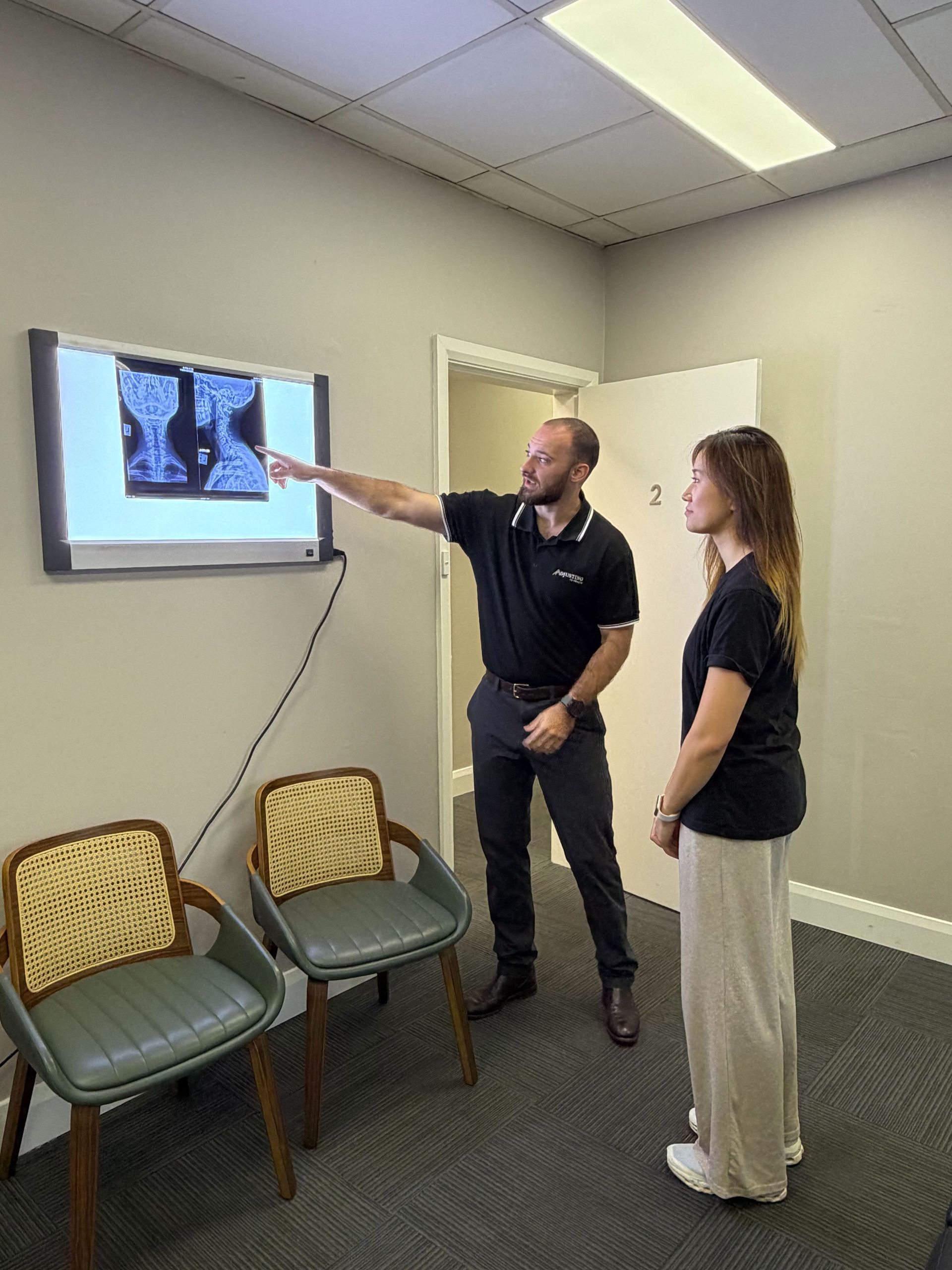
Chiropractic care is a type of healthcare that emphasizes the diagnosis, treatment, and prevention of musculoskeletal disorders, with an emphasis on manual manipulation of the spine to restore normal function. The chiropractic approach is distinct from other types of healthcare, such as physical therapy, massage, and medication-based treatments. In this blog post, we’ll explore some of the key differences between chiropractic care and other types of healthcare.
1. Focus on Spinal Manipulation
The most prominent feature of chiropractic care is the use of spinal manipulation to restore the normal range of motion to the spine. Chiropractors believe that misalignments or subluxations of the spine can cause pain and dysfunction throughout the body, and that manual adjustments can restore proper alignment and improve overall health.
Physical therapists and massage therapists may also work with the spine, but their approach is typically less aggressive than chiropractors. They are more likely to use other modalities, such as exercises, stretches, and soft tissue work, to improve function and reduce pain.
2. Emphasis on Holistic Care
Chiropractors are known for taking a holistic approach to healthcare, addressing not just the immediate symptoms of pain but the underlying factors that contribute to the problem. This may involve lifestyle modifications, such as changes in diet or exercise habits, as well as recommendations for supplements, acupuncture, or other alternative therapies.
Other types of healthcare providers may focus more narrowly on the immediate symptoms and treat them with medications or other interventions. While this can be effective in managing acute pain, it may not address the underlying causes of the problem and may lead to long-term dependence on medications.
3. Training and Qualifications
Chiropractors undergo extensive training and education in the musculoskeletal system, biomechanics, and spinal manipulation techniques. They must complete a four-year doctoral degree program and pass rigorous licensing exams before they can practice.
Physical therapists and massage therapists may also have specialized training in the musculoskeletal system, but their focus is generally different from chiropractors. Physical therapists typically have a degree in physical therapy, while massage therapists may have a certificate or diploma from a massage therapy program.
4. Scope of Practice
Chiropractors are licensed to diagnose and treat a wide variety of musculoskeletal conditions, from back and neck pain to headaches, sciatica, and sports injuries. They may also provide nutrition and lifestyle counseling, and they may work closely with other healthcare providers to provide comprehensive care.
Physical therapists may also treat a variety of musculoskeletal conditions, but their scope of practice may be more limited in some states. They may also work in a hospital or clinical setting, providing rehabilitation services to patients recovering from surgeries or injuries.
Massage therapists typically focus on soft tissue work, using their hands to manipulate the muscles and other soft tissues of the body. They may provide relaxation or therapeutic massage, but they do not diagnose or treat underlying musculoskeletal conditions.
In conclusion, while chiropractic care shares some similarities with other types of healthcare, it is a distinct and specialized approach with its own unique benefits and limitations. If you are considering chiropractic care for a musculoskeletal condition, it’s important to consult with a licensed chiropractor to understand the best course of action for your specific needs.