Dr Robin Broff • January 2, 2023

Is your body at Dis-Ease?

Sometimes our body can be at Dis-ease, this is different from Disease.

If this sounds like you, read on to learn more.

Our bodies takes on a lot. This can be in the form of physical, mental and chemical stress and make us prone to developing a state of dis-ease. This is often described as a sense of heaviness, stiffness, excessive fatigue or and lack of ability to concentrate. This can be caused by what we refer to as Chiropractors as subluxation, or Segmental Joint Dysfunction.

What is Subluxation (Segmental Joint Dysfunction)?

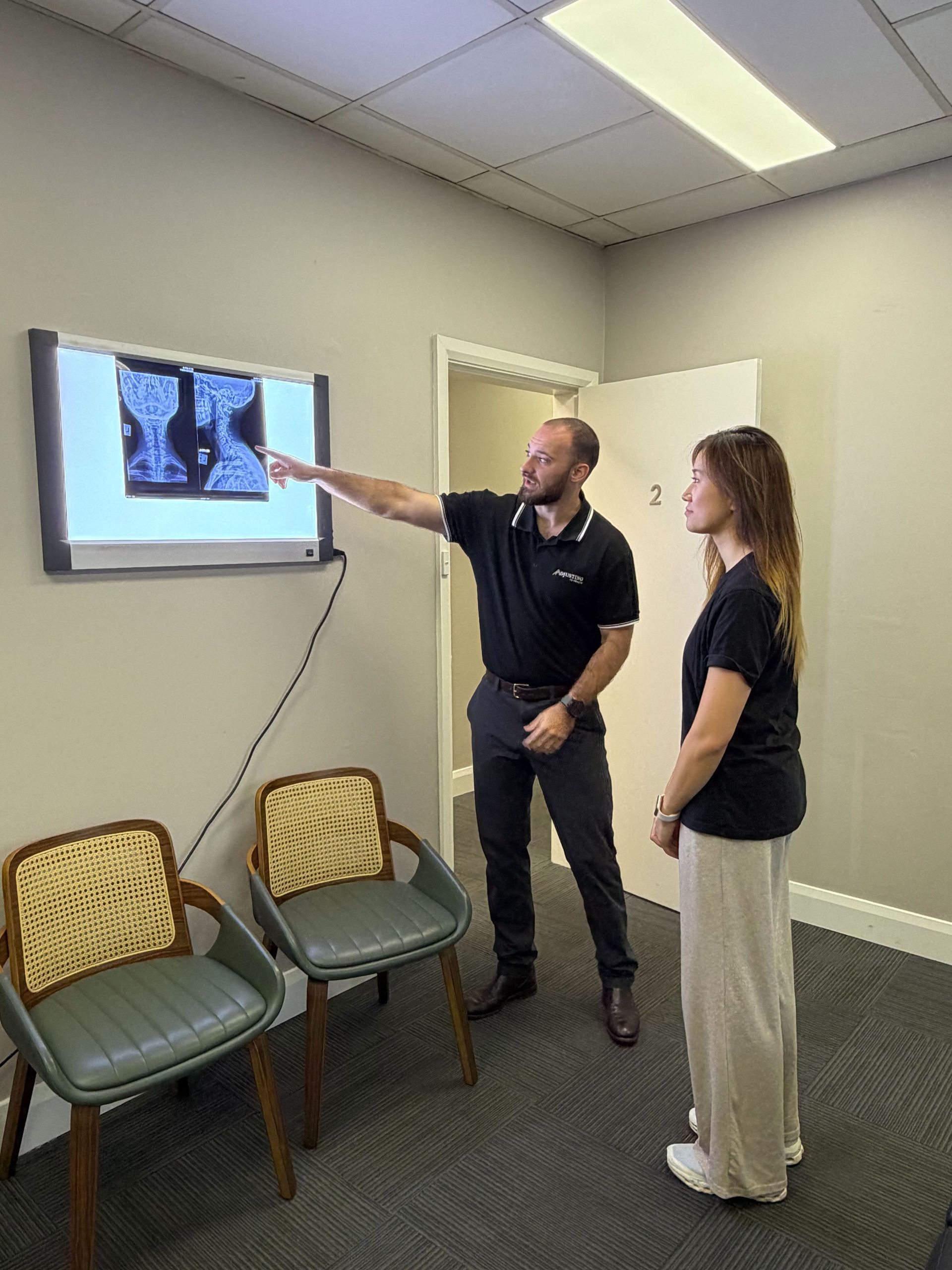
Subluxation (Segmental Joint Dysfunction) is a term used in chiropractic to describe lack of proper function of our spine. Essentially, what happens when one of the bones in your spine (vertebrae) stops moving correctly. When this happens, it can cause pain, build up of pressure on the spinal nerves, surrounding muscles and even lead to accelerated rates of degenerative change. This pressure and stress can accumulate over time and cause an imbalance in the body. This can affect the normal bodily processes as the nerves branching out from the spinal cord supply the whole body and all of it's organs. With time, the damage to the nerve can progressively worsen and different degrees of subluxation can form.

What causes Subluxation?

It can be caused by many different factors including; traumas, lifestyle factors or body imbalances. Examples of these may be; car accidents, workplace injuries, sudden falls, poor posture, improper lifting technique or a poor sleeping position.

What to do about it?

Chiropractors are specialists in identifying and correction subluxations. Through a variety of treatment methods a Chiropractor may be able to restore function by adjusting the vertebrae, stimulating both the spine and the nervous system. The alignment of the spine can then improve with regular adjustments and over time restoration of normal posture can occur.


If this sounds like you or someone you know, it may be time to see a Chiropractor.

Share this article

More Articles

Chiropractor sciatica treatment
By Dr Robin Broff • July 22, 2026
What the research says about chiropractic care for sciatica: who may benefit, the limits, and when to see your GP instead.

Person holding lower back outdoors, showing back pain.
By Dr Robin Broff • July 10, 2026
What a chiropractic assessment for chronic lower back pain checks: history, movement, neurological tests, and imaging only when needed.

neck pain and migraines - tech neck
By Dr Robin Broff • June 27, 2026
What 'tech neck' is, how long hours on screens may contribute to neck and upper back pain, and practical changes to make at your desk.

More Posts
Chiropractor sciatica treatment
By Dr Robin Broff • July 22, 2026
What the research says about chiropractic care for sciatica: who may benefit, the limits, and when to see your GP instead.
Person holding lower back outdoors, showing back pain.
By Dr Robin Broff • July 10, 2026
What a chiropractic assessment for chronic lower back pain checks: history, movement, neurological tests, and imaging only when needed.
neck pain and migraines - tech neck
By Dr Robin Broff • June 27, 2026
What 'tech neck' is, how long hours on screens may contribute to neck and upper back pain, and practical changes to make at your desk.
local community health talk
By Dr Robin Broff • June 18, 2026
Corrective, stabilisation and wellness care explained: what each phase of a chiropractic care plan involves and how progress is reviewed.
More Posts