
Dr Robin Broff • May 7, 2026

What Is Sciatica? Causes, Symptoms and What to Do Next

If you have ever experienced a sharp, shooting pain travelling down the back of your leg, you know exactly how debilitating and frightening it can be.


It is the kind of pain that stops you in your tracks, making simple, everyday tasks like sitting at your desk, standing in line at the grocery store, or simply walking around your neighbourhood feel like an impossible challenge. You might have visited a doctor or searched online and been told that you have sciatica, but what does that actually mean for your body?


At Adjusting to Health, we see patients from Bonnyrigg, Doonside, and Earlwood every single week who are frustrated, exhausted, and confused by this exact issue. They desperately want to know why their leg hurts so intensely when the problem is supposedly located in their back. The truth is, sciatica is not a condition in and of itself; rather, it is a symptom of a deeper, underlying problem within your spine. We believe in finding that root cause because, as we always say, we do not guess, we test.


What causes sciatica pain?

Sciatica pain is caused by the compression, irritation, or inflammation of the sciatic nerve, which originates in the lower back and travels down each leg. This compression is most commonly the result of a herniated disc, bone spur, or spinal stenosis in the lumbar spine. When the nerve is pinched at its root, it sends radiating pain, numbness, or tingling down the pathway of the nerve into the buttock, thigh, and calf.

The Anatomy of the Sciatic Nerve and Why It Matters

To truly understand what causes sciatica, you first need to understand the remarkable anatomy of the sciatic nerve itself. It is the longest and thickest nerve in the entire human body, formed by the union of five distinct nerve roots that exit from the lower spine (the lumbar and sacral regions). Once these roots merge, the sciatic nerve passes deep into the buttock, travelling beneath the piriformis muscle, and extends all the way down the back of the thigh. Just above the back of the knee, it branches out to supply the lower leg, the heel, and the sole of the foot. Because of its incredible length and the complex path it takes through the body, there are numerous places where this vital nerve can become irritated, inflamed, or physically compressed.


When this compression occurs, the brain registers the pain signals not just at the specific site of the compression in the lower back, but anywhere along the nerve's extensive pathway. This phenomenon is known as referred pain, and it is exactly why a structural problem in your lower back can cause excruciating, burning pain in your calf or a pins-and-needles sensation in your foot. Understanding this anatomy is absolutely crucial because it highlights exactly why treating just the leg pain is often entirely ineffective. If you are only addressing the symptoms in your leg with massages or topical creams, you are completely ignoring the source of the problem in your spine.


This is precisely where our Health Blueprint™ comes into play. During our Comprehensive Health History and our detailed Spinal & Neurological Exam, we look far beyond the immediate area of pain. We want to understand the full picture of your spinal health and biomechanics. We need to know exactly where that nerve is being compromised so we can address the root cause, rather than just chasing the symptoms down your leg.

Common Culprits Behind Sciatic Nerve Pain

So, what exactly is happening deep within your spine to cause this painful compression? The most frequent culprit we see in our clinics is a herniated or bulging disc. Your spine is made up of individual bones called vertebrae, which are separated by soft, jelly-like discs that act as essential shock absorbers. Over time, due to wear and tear, poor posture, or a specific injury, the tough outer layer of one of these discs can weaken. If the soft inner core pushes out of its normal boundary, a herniation, it can press directly against the sensitive sciatic nerve root as it exits the spinal column. This direct mechanical pressure, combined with the inflammatory chemicals released by the damaged disc, creates the perfect storm for severe sciatic nerve pain.


Another common cause is spinal stenosis, which is the gradual narrowing of the spinal canal or the spaces where the nerves exit the spine. This narrowing, often associated with osteoarthritis and the natural aging process, can put significant pressure on the nerves travelling through the lower back. Additionally, bone spurs, overgrowths of bone that can develop on the vertebrae as the body attempts to stabilize a degenerating joint, can also impinge on the nerve space.


In some cases, the issue might not be structural within the spine itself but related to the surrounding musculature. Piriformis syndrome, for example, occurs when the piriformis muscle in the buttocks spasms, tightens, and physically compresses the sciatic nerve that runs right beneath it. Regardless of the specific cause, the end result is the same: sciatic nerve pain that can severely impact your mobility, your sleep, and your overall quality of life. Identifying the exact cause is essential for effective treatment, which is why our Digital Posture Screening and Subluxation Palpation are such vital steps in our diagnostic process. We need to pinpoint the exact location and nature of the interference before we can correct it.

Why "Wait and See" is Not a Winning Strategy

Many people, hoping to avoid doctors or treatments, simply hope that their sciatica will go away on its own. While it is true that some mild, acute cases may resolve with time, rest, and gentle movement, ignoring persistent or severe sciatic pain can lead to significant long-term complications. Prolonged compression of the sciatic nerve can result in permanent nerve damage. This can manifest as chronic, unyielding pain, noticeable muscle weakness in the affected leg (sometimes leading to a condition called "foot drop"), or a permanent loss of sensation.


This is why a proactive, investigative approach is so incredibly important. Masking the pain with over-the-counter or prescription medication might provide temporary relief and help you get through the day, but it does absolutely nothing to address the underlying mechanical issue in your spine. It is akin to turning off the fire alarm while the house is still burning.


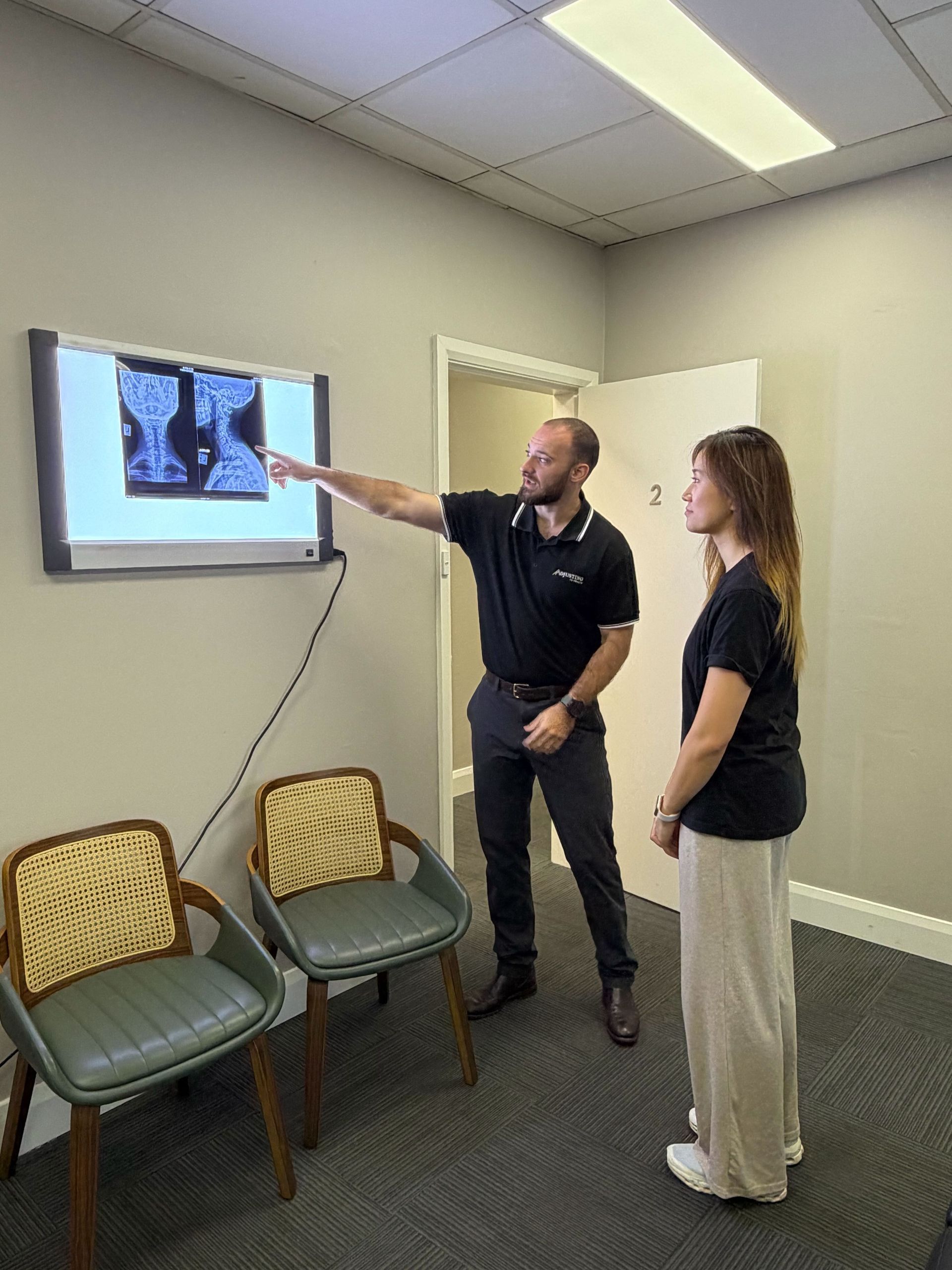
At Adjusting to Health, we take a fundamentally different approach. We do not believe in quick fixes, temporary patches, or simply covering up symptoms. Our primary goal is to correct the underlying dysfunction. If, during our initial assessments, we suspect a significant structural issue like a severe herniated disc or advanced spinal degeneration, we will not hesitate to utilize an Imaging Referral. Getting a clear, objective look at what is happening beneath the surface via X-ray or MRI ensures that our Diagnosis is 100% accurate and that our care plan is tailored specifically and safely to your unique needs. We want to move you efficiently from Corrective Care, where we address the immediate pain and dysfunction, through Stabilisation, where we strengthen the supporting structures, and ultimately into Wellness Care, where we help you maintain optimal spinal health for the long term.

Desk Posture Tension

The Role of Chiropractic Care in Managing Sciatica

Chiropractic care offers a highly effective, non-invasive, and drug-free approach to managing and resolving sciatica. By focusing on the proper alignment, mobility, and function of the spine, we aim to relieve the mechanical pressure on the sciatic nerve. Through specific, targeted chiropractic adjustments, a skilled sciatica chiropractor in Sydney can help restore proper motion to the restricted spinal joints, reduce localized inflammation, and alleviate the nerve compression that is causing your pain.


It is important to understand that this is not about simply "cracking your back" or applying generic manipulation. It is about precise, calculated corrections based on thorough testing, objective data, and expert analysis. Our approach is highly specific to your individual anatomy and the exact nature of your subluxations.


Our comprehensive Two-Part Report of Findings ensures that you fully understand your condition, the results of your tests, and the proposed care plan before we begin any treatment. We believe that education is empowering, and we want you to be an active, informed participant in your own recovery journey. During your First Treatment, we will apply the specific techniques necessary to begin relieving the pressure on your sciatic nerve. And through regular, scheduled Care Plan Reviews, we will closely monitor your progress, celebrate your improvements, and make any necessary adjustments to your care to ensure you are consistently on the right track. Whether you are living in Cabramatta, working in Blacktown, or raising a family in Marrickville, our dedicated team is here to help you find lasting, natural relief from sciatica.

Take the First Step Towards Lasting Relief

If you are tired of living with the constant, radiating pain of sciatica and you genuinely want to understand what is truly happening in your spine, it is time to take decisive action. Do not settle for temporary fixes, generic advice, or a life limited by pain. Experience the profound difference of our Health Blueprint™ and let us help you find the root cause of your discomfort. We are deeply committed to providing you with the clear answers and the exceptional care you deserve.


Contact Adjusting to Health today to schedule your comprehensive spinal assessment. Call our Bonnyrigg practice at (02) 9822 0008, our Doonside practice at (02) 9138 9393, or our Earlwood practice at (02) 8395 5555. You can also visit our website at adjustingtohealth.com.au to learn more about our unique approach and to book your appointment online. Let us help you get back to living your life to the fullest, without the heavy burden of sciatic nerve pain holding you back.

References


FAQs

Frequently Asked Questions

  • How long does sciatica usually last?

    The duration of sciatica can vary greatly depending on the underlying cause and the severity of the nerve compression. Acute sciatica, often caused by a minor injury or inflammation, may last for a few weeks. However, chronic sciatica, typically resulting from structural issues like a herniated disc or spinal stenosis, can persist for months or even years if left untreated. Proper diagnosis and targeted chiropractic care are essential for resolving the issue efficiently and preventing it from becoming a chronic burden.

  • Can I exercise with sciatica?

    In many cases, gentle, specific exercise and stretching can actually help alleviate sciatic pain by improving flexibility, reducing muscle tension, and promoting blood flow to the affected area. However, it is absolutely crucial to consult with a healthcare professional before starting any exercise program. Certain movements or high-impact activities can exacerbate the condition and cause further nerve irritation. We can guide you on the appropriate exercises for your specific stage of recovery.

  • Is surgery necessary for sciatica?

    Surgery is typically considered a last resort for sciatica. It is usually only recommended when conservative treatments have completely failed over an extended period, or if there are signs of severe, progressive nerve damage, such as significant muscle weakness or loss of bowel/bladder control. The vast majority of sciatica cases can be effectively and safely managed with non-invasive approaches like targeted chiropractic care.

  • Does sitting make sciatica worse?

    Yes, prolonged sitting is one of the most common aggravators of sciatica. Sitting increases the mechanical pressure on the discs and nerves in the lower lumbar spine, often exacerbating the compression of the sciatic nerve. Taking frequent breaks to stand, walk, and perform gentle stretches can help mitigate this pressure. We often advise our patients on ergonomic adjustments for their workspaces to help manage their symptoms.

Still have a question?

Stop guessing about your health and start testing. Contact your nearest Adjusting to Health clinic today to schedule your initial consultation and take the first vital step toward lasting relief and a healthier, more vibrant life.

Share this article

More Articles

Man experiencing neck pain and headache symptoms
April 25, 2026
Chronic headaches often start in the neck. Learn how cervical dysfunction causes headaches and why chiropractic care addresses the source, not just symptoms.
By Dr Robin Broff March 30, 2026
Millions of Australians accept back pain as part of life. It is not. Learn why chronic pain is a signal, not a sentence - and what to do about it.
X-ray of spine
By Dr Robin Broff December 10, 2025
Is Chiropractic Safe? What Earlwood Locals Need to Know
More Posts
Man experiencing neck pain and headache symptoms
April 25, 2026
Chronic headaches often start in the neck. Learn how cervical dysfunction causes headaches and why chiropractic care addresses the source, not just symptoms.
By Dr Robin Broff March 30, 2026
Millions of Australians accept back pain as part of life. It is not. Learn why chronic pain is a signal, not a sentence - and what to do about it.
X-ray of spine
By Dr Robin Broff December 10, 2025
Is Chiropractic Safe? What Earlwood Locals Need to Know
Person's feet in sneakers walking on a rocky path outdoors with mountain backdrop.
By Dr Robin Broff November 9, 2025
In recent years, there has been a shift across Earlwood , Bardwell Park , and Canterbury have started questioning the long-term use of painkillers, especially for ongoing problems like back pain, neck stiffness, or tension headaches. We hear it almost daily: “I’m tired of taking pills. I just want to feel better naturally.” And that’s exactly why so many locals are turning to Chiropractic care . The Problem with Relying on Painkillers Painkillers can offer short-term relief, but they do nothing to address the root cause of your pain. Over time, you may even need higher doses for the same effect, and that can come with side effects. Common concerns include: - Digestive issue - Brain fog or fatigue - Risk of dependence - Masking warning signs from your body Even over-the-counter medications can become a crutch, while the underlying issue continues to worsen. What Chiropractic Does Differently Chiropractors focus on restoring movement, balance, and nervous system function, which can often reduce or eliminate pain by addressing the underlying cause. At our Earlwood clinic, every new patient receives a full postural, neurological and spinal assessment, not just a quick adjustment. We provide the most thorough and detailed assessment , diagnostic and educational service in Sydney. Our goal is to: - Identify areas of dysfunction - Restore healthy movement - Improve spinal and brain-body communication - When the spine functions better, the whole body works better. Conditions That Respond Well to Chiropractic We regularly help patients with: Chronic lower back pain Neck tension and tech neck Tension-type headaches Sciatica and referred leg pain Postural imbalances Earlwood Families Are Making the Shift Our Bonnyrigg clinic is only a few minutes from Wakeley. That means less time driving and more time looking after your health — without it feeling like another chore. Free parking on site Early morning and evening sessions available Family-friendly and welcoming space Trusted by thousands across the local area Book Now and Take That First Step We’re seeing more parents, young professionals and active adults choosing chiropractic as their first option — not their last. They want: Natural relief Fewer side effects Long-term results Better posture, mobility, and energy Our Earlwood clinic welcomes people from Bardwell Park, Dulwich Hill, Hurlstone Park and surrounding suburbs who are ready to take control of their health, naturally. At Adjusting to Health, we don't guess, we test. 👉 Book Now 👉 What to expect 
More Posts