
Neck Pain and Headaches: What May Be Causing Both
If you are waking up with a stiff neck that slowly creeps up into a pounding headache by mid-afternoon, you are not alone. Millions of people struggle with this frustrating cycle, often reaching for painkillers that only mask the problem temporarily. The truth is, that persistent throbbing in your head might not actually be a "head" problem at all.
At Adjusting to Health, we see this pattern every single day across our clinics in Bonnyrigg, Doonside, and Earlwood. Patients come to us exhausted from chronic headaches, completely unaware that the root cause is sitting just a few inches lower in their cervical spine. We believe in finding the source of your discomfort because you deserve a life free from the constant shadow of pain.
Can Neck Problems Cause Headaches?
Yes, neck problems are a leading and often overlooked cause of headaches, specifically known as cervicogenic headaches. When the joints, muscles, or nerves in the upper cervical spine become irritated or misaligned, they can send pain signals that radiate up into the head, behind the eyes, or across the forehead. Addressing the underlying dysfunction in the neck is essential for long-term relief, rather than simply treating the head pain itself.
For residents in areas like Bonnyrigg, Earlwood and Doonside, understanding this connection is the first step toward finding a long-term solution rather than just masking the symptoms. When you experience neck pain and headaches simultaneously, it is rarely a coincidence. Instead, it is often the result of a biomechanical failure in the neck that is radiating upwards. This is especially common in adults aged 30 to 60, who may have spent decades in sedentary roles or repetitive physical labor, leading to cumulative stress on the cervical joints.
Understanding the Neck Pain Headaches Connection
The human body is an intricately connected system, and the relationship between your neck and your head is one of the most profound examples of this mechanical harmony. The upper part of your neck, known as the cervical spine, houses a complex network of nerves, muscles, ligaments, and blood vessels. When there is a misalignment, restriction, or dysfunction in these upper cervical vertebrae, it can irritate the delicate nerves that travel upward into your skull. This irritation is the fundamental basis of the neck pain headaches connection. It is not merely a coincidence that your neck feels tight, stiff, or sore when your head aches; it is a direct mechanical and neurological relationship that demands attention.
Many people mistakenly believe they are suffering from traditional migraines or standard tension headaches when, in reality, they are experiencing what clinicians call cervicogenic headaches. These are headaches that originate from a specific source in the neck. The pain often starts at the base of the skull, right where the neck meets the head, and radiates forward. It can sometimes affect just one side of the head, settle heavily behind the eyes, or wrap around the forehead like a tight band. By understanding this vital connection, we can shift our focus from temporarily numbing the pain with medication to correcting the structural issue that is causing the pain signals to fire in the first place.
Key diagnostic indicators include:
- Pain that starts at the base of the skull and moves forward.
- Headaches that are triggered by specific neck movements.
- Tenderness in the upper neck muscles when touched.
- Discomfort that is primarily felt on one side of the head.
- Improvement in head pain when neck tension is relieved.
The Hidden Culprits Behind Cervicogenic Headaches
This simultaneous occurrence is due to a phenomenon called "convergence." The sensory nerves from your upper neck and the sensory nerves from your face (the trigeminal nerve) all meet at a specific point in the brainstem called the trigeminocervical nucleus. When the brain receives pain signals from the neck, it can become "confused" and perceive the pain as coming from the forehead, temples, or behind the eyes. This is why neck pain and headaches and migraines are so often treated as a unified issue in Chiropractic care.
In our modern, technology-driven world, our daily habits are heavily contributing to the alarming rise in neck-related headaches. Hours spent hunched over smartphones, staring intently at computer screens, or driving long distances with poor posture place an immense and unnatural load on the cervical spine. This phenomenon, often referred to as "tech neck," causes the heavy weight of the head to shift forward. For every inch your head moves forward from its ideal center of gravity, the load on your neck muscles doubles. This constant, unrelenting strain leads to severe muscle fatigue, joint stiffness, and eventually, structural shifts in the neck. These shifts can compress or irritate the surrounding nerves, triggering what we commonly refer to as neck tension headaches.
Furthermore, past physical traumas can leave a lasting legacy of instability in the neck. Incidents such as whiplash from a minor car accident, sports-related impacts, or even seemingly insignificant falls can cause micro-tears in ligaments and alter the normal mechanics of the cervical spine. Even if the initial acute pain from the injury subsided years ago, the underlying mechanical dysfunction can persist silently, slowly developing into chronic headaches over time as the body attempts to compensate for the instability. At Adjusting to Health, we serve patients from Cabramatta to Quakers Hill who have struggled for years, completely unaware that their daily postural habits or past minor injuries were the true, hidden culprits behind their ongoing suffering.
In the 30s to 60s age bracket, the cervical spine undergoes various degenerative changes. Disc height may decrease, and joints may become slightly more arthritic. While these changes are a natural part of aging, they can lower the threshold for pain. When you add external stressors like poor ergonomics or high stress, the system reaches a breaking point. The result is a cycle of muscle guarding, joint stiffness, and referred pain that manifests as a dull, aching headache that won't go away with standard over-the-counter medication.
The Danger of Masking Symptoms Instead of Finding the Cause
When a headache strikes, the most common and understandable reaction is to reach for the medicine cabinet. Over-the-counter pain relievers can certainly take the edge off and allow you to get through your day. However, relying on medication as a primary strategy is fundamentally flawed when dealing with cervicogenic headaches. Painkillers are designed to block the pain signals from reaching your brain; they do absolutely nothing to address the mechanical dysfunction in your neck that is generating those signals. It is akin to removing the battery from a blaring smoke detector while the fire continues to burn in the kitchen.
Over time, this reliance on medication can lead to a frustrating phenomenon known as medication-overuse headaches, or rebound headaches. As your body becomes accustomed to the medication, the headaches can actually become more frequent and more severe when the medication wears off. This creates a vicious cycle of pain and dependency. True, lasting relief requires a different approach. It requires the courage to look beyond the immediate symptom and investigate the structural integrity of the cervical spine. This is where the expertise of a qualified Chiropractor becomes invaluable, offering a path to genuine healing rather than temporary suppression.
While every individual experience is different, cervicogenic headaches typically follow a specific pattern. Recognizing these signs can help you decide when to seek Chiropractic Care. Unlike typical tension headaches that feel like a tight band around the entire head, these often feel more "directional," starting in the back and wrapping around to the front. They are also less likely to include the "aura" or extreme light sensitivity associated with traditional migraines, though some overlap can occur.
Common physical presentations include:
- A dull, non-throbbing ache of moderate intensity.
- Pain that stays localized to one side of the head or face.
- Stiffness in the neck that feels worse in the morning.
- Pain that worsens with prolonged fixed postures (like using a computer).
- Brief relief when applying heat or gentle pressure to the upper neck.
How Does Modern Lifestyle Contribute to Neck-Related Headaches?
Our modern lifestyle is perhaps the greatest contributor to the rise in neck pain and headaches. For many professionals in their 30s through 60s, the workday involves hours of "forward head posture." This position, often called "tech neck," puts immense strain on the posterior neck muscles and the delicate joints of the upper spine. For every inch your head moves forward from its neutral alignment, it effectively doubles the weight your neck must support. This constant loading leads to micro-trauma and chronic inflammation.
At our clinics serving the Bonnyrigg, Earlwood and Doonside communities, we see the impact of this daily. It isn't just about desk work; it's about how we use our phones, how we sleep, and even how we carry stress in our shoulders. When the body is under constant postural stress, the nervous system becomes sensitized. This means that even minor movements can trigger a cascade of pain. Addressing this requires more than just a quick fix; it requires Postural Correction and a commitment to changing the habits that caused the dysfunction in the first place.
Posture and Spinal Alignment
The alignment of your spine serves as the foundation for your entire nervous system. When the cervical vertebrae are out of alignment—a condition often referred to as a subluxation or joint dysfunction—it can interfere with the normal transmission of nerve impulses. This doesn't just cause pain; it can affect your balance, your sleep quality, and your overall energy levels. Chiropractic care focuses on restoring this alignment through precise, evidence-based adjustments. By improving the mechanics of the neck, we reduce the load on the muscles and calm the sensory nerves that are triggering your headaches.
Effective postural management includes:
- Ergonomic workstation assessments to reduce neck strain.
- Targeted exercises to strengthen deep neck flexors.
- Regular spinal check-ups to maintain joint mobility.
- Mindfulness of "head-down" time on mobile devices.
- Implementing micro-breaks to stretch and reset the spine.
Why We Don't Guess, We Test: The Health Blueprint™
When you are dealing with chronic, debilitating pain, guesswork is simply not an option. You need precise, objective answers about what is happening inside your body. This is exactly where our unique Health Blueprint™ comes into play. We do not simply assume your headache is coming from your neck based on a brief conversation; we rigorously test to confirm it. Our comprehensive 10-step process begins with a detailed Comprehensive Health History and Goal Setting session, ensuring we understand exactly how these headaches are impacting your daily life, your work, and your family time.
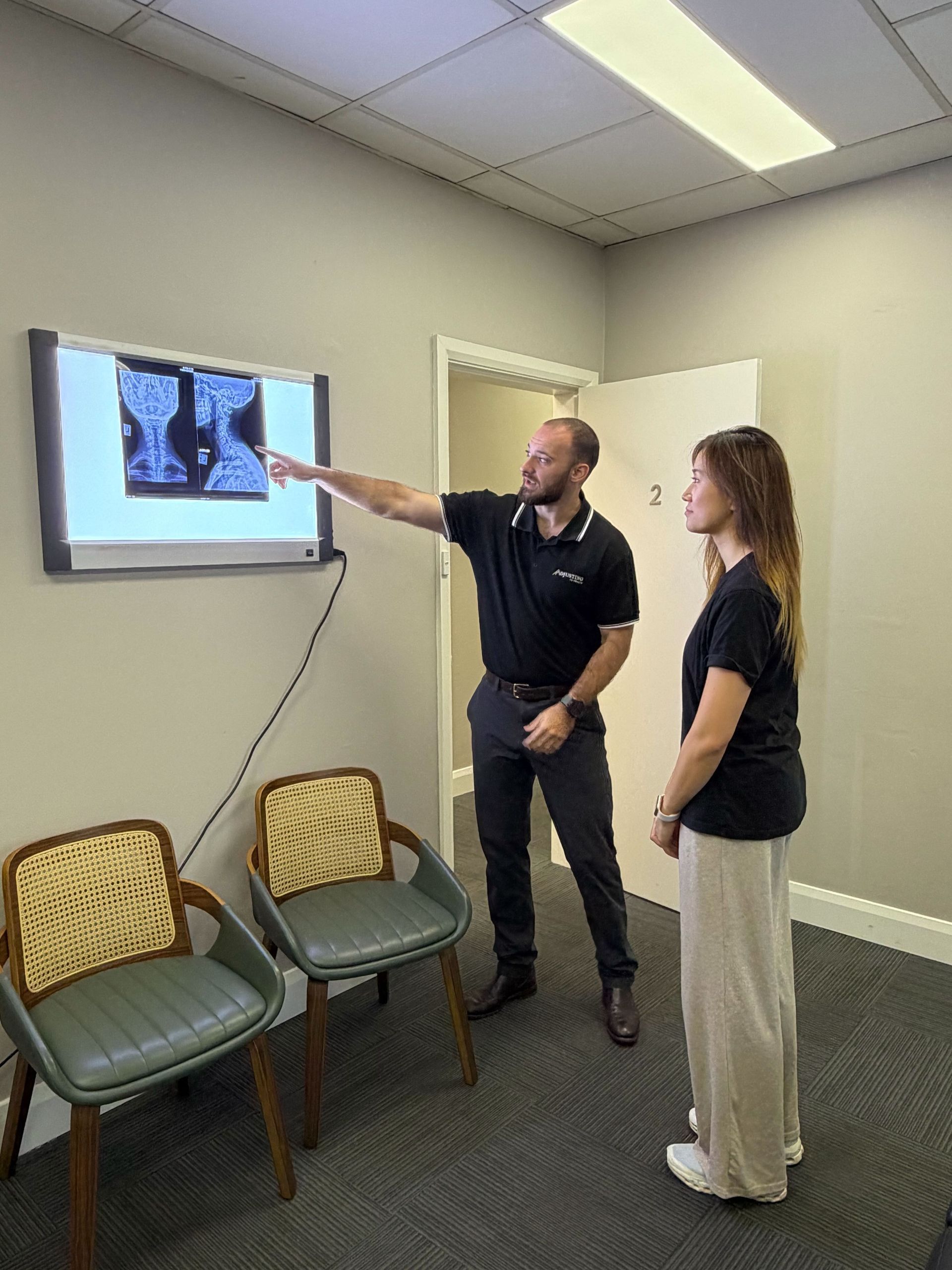
From there, we conduct a thorough Spinal & Neurological Exam to assess the function of your nervous system. This is followed by a Digital Posture Screening to visually identify any structural imbalances or forward head carriage. We perform precise Subluxation Palpation to feel for specific areas of joint restriction and abnormal movement in the cervical spine. If necessary, we provide an Imaging Referral to see exactly what is happening beneath the surface, ruling out other potential issues and confirming our clinical findings.
This meticulous, data-driven approach allows us to pinpoint the exact location and nature of the dysfunction. We then present our findings to you in a clear, easy-to-understand Two-Part Report of Findings, explaining your specific Diagnosis before we even begin your First Treatment. This ensures that every single step of your Care Plan Review is based on hard, objective data, not assumptions or generic protocols.
Can Chiropractic Care Help With Chronic Headaches?
Evidence-based Chiropractic care is one of the most effective non-invasive ways to manage neck-related headaches. Research consistently shows that manual therapy, including spinal manipulation and mobilization, can significantly reduce the frequency and intensity of cervicogenic headaches. Unlike medication, which only addresses the pain signals, Chiropractic care aims to treat the cause of the problem. By restoring movement to restricted joints, we allow the body to heal naturally and reduce the neural irritation that leads to head pain.
For those who have tried everything else, Chiropractic offers a different path. We provide high-quality, professional care without the need for long-term lock-in contracts. Our goal is to get you back to your normal life as quickly as possible. This starts with a comprehensive Health Blueprint™, where we map out the specific dysfunctions in your spine and create a tailored plan for recovery. This approach ensures that we aren't just treating the symptoms, but providing a sustainable solution for your long-term health.
Achieving True Chiropractic Headache Relief
Choosing the right care involves finding a provider who uses a modern, evidence-based approach. Our Chiropractors focus on the intersection of joint function, muscle health, and nervous system integrity. We believe in transparency and patient education, which is why we explain every step of the process during your first visit. Whether you are dealing with a recent injury or a chronic issue that has lasted for years, our professional team is dedicated to providing relief without unnecessary delays.
Finding lasting relief from cervicogenic headaches requires a strategic, phased approach to healing and structural correction. We guide our patients through three distinct phases of care to ensure the best possible outcomes: Corrective Care, Stabilisation, and Wellness Care. During the initial Corrective Care phase, our primary goal is to address the immediate dysfunction. We utilize precise, targeted adjustments to restore proper motion to the restricted joints of the cervical spine, reduce muscle tension, and alleviate the nerve irritation that is causing your headaches. This is the phase where many of our patients experience their first taste of true Chiropractic headache relief, often noticing a significant reduction in the frequency and intensity of their pain.
However, simply removing the pain is not the end of the journey. The Stabilisation phase is crucial for long-term success. During this phase, we focus on retraining the muscles and ligaments to support the newly corrected posture and spinal alignment, ensuring the positive changes hold over time. Finally, Wellness Care is about maintaining optimal spinal health to prevent future relapses and keep your nervous system functioning at its peak. Whether you live in Mount Druitt, Marrickville, or anywhere in between, our ultimate goal is to empower you with a resilient, healthy spine so you can return to doing what you love without the constant fear of the next headache striking.
Key benefits of our approach include:
- Evidence-based treatments backed by clinical research.
- Focus on the root cause of neck pain and headaches.
- Efficient scheduling to ensure no long waits for care.
- Personalized care plans tailored to your specific examination findings and goals.
What Should you Do Next?
Neck pain and headaches are deeply interconnected, with cervical dysfunction serving as a primary trigger for chronic head discomfort in many adults. By addressing the structural and mechanical issues in the upper spine, you can find lasting relief that goes beyond temporary symptom masking. If you are tired of living with constant tension and are ready to experience professional, high-quality care, it is time to evaluate the health of your neck.
Core Takeaways:
- Cervicogenic headaches originate from the upper cervical spine.
- Posture and lifestyle are major contributors to neck-related head pain.
- Evidence-based Chiropractic care treats the source, not just the symptoms.
- Early intervention can prevent chronic degenerative changes in the neck.
- You can access professional care in Bonnyrigg, Earlwood and Doonside today by booking online.
References
- Biondi, D. M. (2005) 'Cervicogenic headache: a review of diagnostic and treatment strategies', The Journal of the American Osteopathic Association, 105(4_suppl), pp. 16S-22S. Available at:
https://jaoa.org/article.aspx?articleid=2093083 (Accessed: 10 May 2026)
- Bryans, R. et al. (2011) 'Evidence-based guidelines for the chiropractic treatment of adults with headache', Journal of Manipulative and Physiological Therapeutics, 34(5), pp. 274-289. Available at: https://pubmed.ncbi.nlm.nih.gov/21640251/ (Accessed: 10 May 2026)
FAQs
Frequently Asked Questions
How do I know if my headache is coming from my neck?
Headaches originating from the neck, known as cervicogenic headaches, often start at the base of the skull and radiate to the front of the head, temples, or behind the eyes. You may also notice that your headache worsens with certain neck movements, sustained awkward postures, or when your neck feels particularly stiff and tender to the touch.
Can poor posture really cause such severe headaches?
Absolutely. Forward head posture, which is incredibly common with heavy screen use and desk jobs, significantly increases the weight your neck muscles must support. This constant, unnatural tension pulls on the delicate structures of the cervical spine, leading to joint irritation, muscle spasms, and subsequent severe headaches.
How long does it take to see results with Chiropractic care for headaches?
While some patients experience noticeable relief after their very first few adjustments, chronic issues that have been developing for years typically require a structured, progressive care plan. The timeline varies based on the severity of the dysfunction, but our Health Blueprint™ ensures we track your progress objectively at every stage of your recovery.
Is Chiropractic adjustment safe for the neck?
Yes, chiropractic care is widely recognized by health authorities as one of the safest, non-invasive therapies available for neuromusculoskeletal complaints. Our practitioners are highly trained professionals who perform precise, controlled adjustments tailored to your specific anatomical needs and clinical presentation. If upon examination on the unlikely event that care is not safe for you, you will be advised.
If I want to get rid of my headaches what should I do?
The next step is simple, book online via the yellow button at the top of this page or contact us. We look forward to meeting you and seeing if we can help.
Still have a question?
Stop guessing about your health and start testing. Contact your nearest Adjusting to Health clinic today to schedule your initial consultation and take the first vital step toward lasting relief and a healthier, more vibrant life.
More Articles