
May 18, 2026

How Posture May Contribute to Chronic Pain

Have you ever caught yourself slouching over your desk, only to feel a familiar, nagging ache in your lower back or neck? You are certainly not alone. Many of us spend countless hours hunched over screens, scrolling through phones, or slumped on the couch, completely unaware of the silent toll it takes on our bodies. That persistent discomfort you feel at the end of a long day might not just be a random ache or a sign of getting older; it could be a direct result of how you hold yourself every single day. At Adjusting to Health, we see this pattern constantly across our practices in Bonnyrigg, Doonside, and Earlwood. People walk through our doors frustrated by pain that simply will not go away, unaware that the root cause might be staring them right in the mirror. The truth is, the posture / chronic pain connection is one of the most overlooked factors in long-term physical discomfort, and understanding it is the first step toward reclaiming your health.


Can bad posture cause chronic pain?

Yes, bad posture can absolutely cause chronic pain. When your spine is misaligned due to poor postural habits, it places unnatural stress on your muscles, ligaments, and joints. Over time, this constant strain leads to inflammation, muscle fatigue, and nerve irritation, which manifests as persistent, chronic pain. Correcting postural dysfunction is often a critical step in resolving long-term discomfort.

Understanding the Mechanics of Postural Dysfunction

To truly grasp why poor posture leads to lasting pain, we need to look closely at the incredible mechanics of the human body. Your spine is an engineering marvel, designed to support your weight efficiently while allowing for a wide range of movement. It features natural curves that act as built-in shock absorbers, distributing the physical stress of gravity and daily activities evenly across your joints and discs. When you maintain good posture, your bones, muscles, and ligaments work in perfect harmony. However, when you slouch, hunch, or crane your neck forward, you disrupt this delicate balance. This disruption is what we refer to practically as postural dysfunction.


Consider what happens when your head shifts forward-a widespread issue commonly known as "tech neck." The human head weighs about 10 to 12 pounds on average. When perfectly balanced over your shoulders, your neck muscles handle this weight with ease. But for every inch your head moves forward out of alignment, the effective weight on your cervical spine increases dramatically. It is estimated that just two inches of forward head posture can force your neck muscles to support the equivalent of 30 pounds. It is no wonder that posture and back pain are so closely linked. Your muscles are forced to work overtime, day in and day out, just to keep your head upright. This relentless effort leads to profound muscle fatigue, tension, and eventually, chronic pain. Furthermore, this unnatural alignment does not just affect your neck; it creates a mechanical domino effect that can alter the alignment of your entire spine, tilt your pelvis, and even change the way you walk, placing undue stress on your hips, knees, and feet.

The Silent Progression from Discomfort to Chronic Pain

The transition from a mild, occasional ache to debilitating chronic pain rarely happens overnight. It is a slow, insidious process that often goes unnoticed until it becomes a significant problem. Initially, you might only notice a bit of stiffness in your shoulders after a long day at work, or a dull ache in your lower back after a long drive. You might stretch it out, perhaps take an over-the-counter painkiller, and simply forget about it. But if the underlying spinal alignment pain is not addressed, the problem quietly compounds. Your body is incredibly adaptable, and it will instinctively try to compensate for the poor posture by recruiting other muscles to help carry the load and stabilize your spine.


This compensation mechanism, while helpful in the short term for keeping you upright and functioning, eventually leads to significant muscle imbalances. Some muscles become chronically tight and overactive, while opposing muscles become weak and inhibited. Over months and years, these imbalances place uneven wear and tear on your spinal joints and the delicate discs that cushion them. This is the very heart of the posture chronic pain connection. What started as a simple, harmless-seeming slouch can evolve into premature degenerative joint changes, painful nerve compression, and a persistent pain cycle that feels impossible to break on your own. At Adjusting to Health, we frequently see patients from Cabramatta to Quakers Hill who have been trapped in this frustrating cycle for years, simply because the structural root of their pain was never properly identified or addressed.

Why Guessing Doesn't Work: The Need for Objective Testing

When dealing with chronic pain, many people understandably try a wide variety of generic solutions in their desperate search for relief. They might try stretching routines they found online, invest in expensive ergonomic chairs, buy new mattresses, or rely on temporary pain relief methods like heat packs and massages. While these interventions can certainly offer brief respite and feel good in the moment, they rarely solve the underlying issue. Why? Because they are essentially guesswork. You cannot permanently fix a complex structural problem without knowing exactly what the structure looks like and how it is functioning. This is where our core philosophy at Adjusting to Health comes into play: "We Don't Guess, We Test."


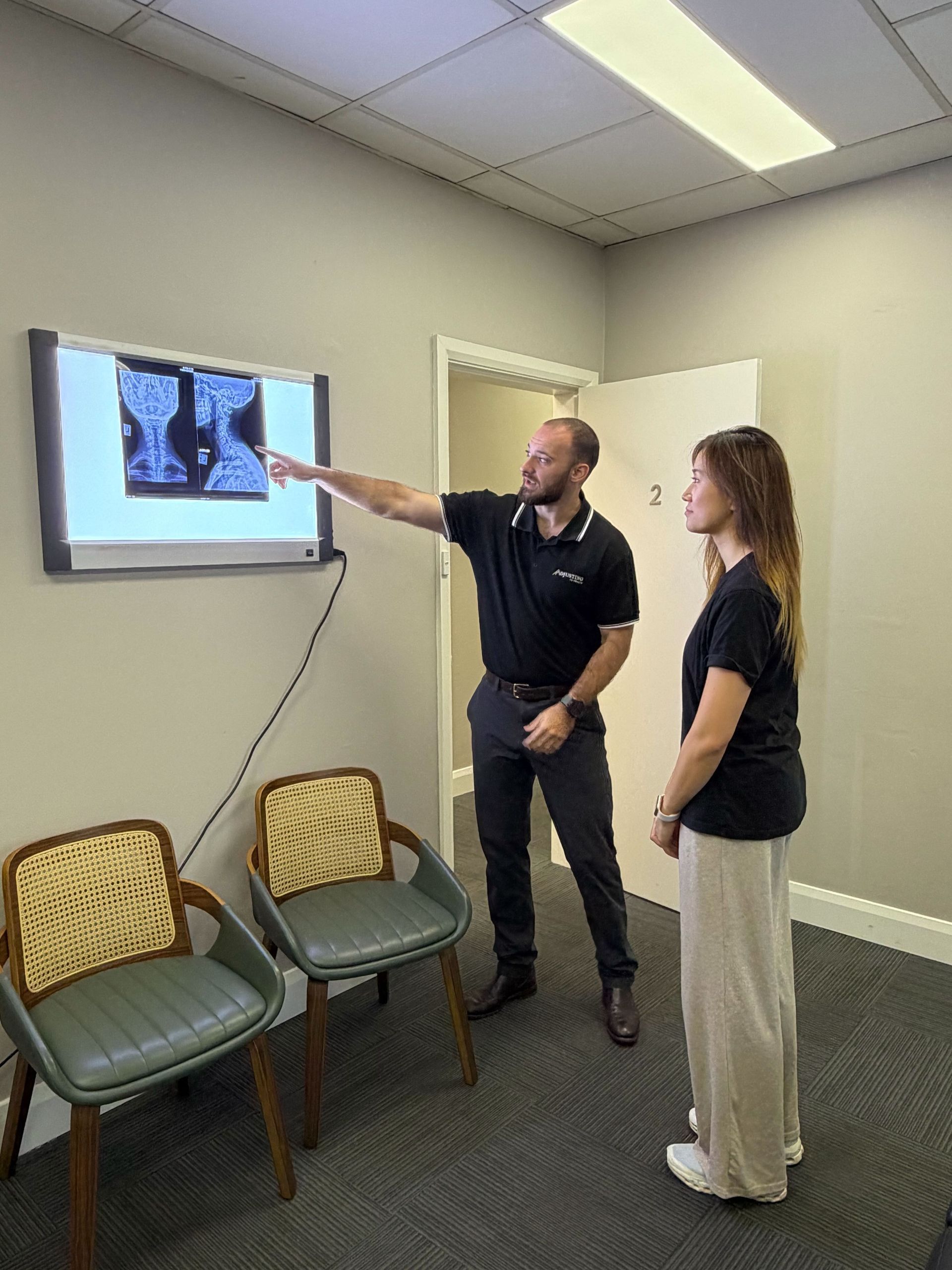
To truly understand your unique posture chronic pain connection, we utilize our comprehensive, proprietary Health Blueprint™ process. We do not just look at where it hurts; we are deeply committed to discovering exactly why it hurts. During the Digital Posture Screening and our thorough Spinal & Neurological Exam, we objectively measure your alignment and neurological function. We assess precisely how your body is bearing weight, identify specific areas of postural dysfunction, and evaluate the health of your nervous system. If necessary, we provide an Imaging Referral to see exactly what is happening beneath the surface of your skin, looking for signs of degeneration or structural anomalies. This meticulous, 10-step process ensures that we have a complete, highly accurate picture of your spinal health before we even begin to discuss a care plan. We firmly believe that you deserve a diagnosis based on hard, objective data, not just educated assumptions.

Desk Posture Tension

Breaking the Cycle with Targeted Corrective Care

Once we have identified the specific structural issues contributing to your pain through our Health Blueprint™ process, the real, transformative work begins. Addressing long-standing spinal alignment pain requires significantly more than just a quick, generic adjustment; it requires a strategic, phased approach to care tailored to your specific needs. Our ultimate goal is not just to provide temporary symptom relief, but to correct the underlying dysfunction, restore proper biomechanics, and stabilize your spine for the long term.


In the initial Corrective Care phase, our primary focus is on restoring proper joint mechanics, increasing mobility, and reducing nerve interference. As your spinal alignment gradually improves through targeted adjustments, the unnatural, chronic stress on your muscles and ligaments begins to decrease. Patients often report not only a noticeable reduction in pain during this phase but also surprising improvements in their energy levels, sleep quality, and overall mobility. Following this crucial initial phase, we move into the Stabilisation phase. Here, we work on strengthening the supporting musculature and retraining your nervous system to help your body maintain its new, healthier posture naturally. Finally, in the Wellness Care phase, we focus on maintaining these hard-won improvements, ensuring that the posture and back pain do not return and that your spine remains healthy and resilient for years to come. Whether you visit our Doonside practice from Mount Druitt or our Earlwood practice from Marrickville, our unwavering commitment is to guide you safely and effectively through this transformative process.

Empowering Yourself for Long-Term Spinal Health

While our practical interventions and expert care are absolutely crucial for correcting established postural dysfunction, your daily habits play an equally important role in maintaining good posture and preventing the return of chronic pain. True healing is a partnership. Awareness is always the first step. Start paying close attention to how you sit at your desk, how you hold your phone while texting, and how you stand when waiting in line at the grocery store. Simple, mindful adjustments can make a significant difference over time. Ensure your computer screen is at eye level, take regular, frequent breaks to stand up and move around, and practice mindful posture throughout your day.


However, it is vitally important to remember that if you have been dealing with postural dysfunction for years, your body may need professional help to truly reset. Your muscles, ligaments, and joints have physically adapted to the poor alignment, and trying to force yourself into a "perfect" posture without addressing the underlying structural restrictions can sometimes cause more discomfort and frustration. That is exactly why a comprehensive, objective assessment is so vital. By deeply understanding your specific structural needs and limitations, we can provide you with targeted advice, specific exercises, and expert care that actually works for your unique body. Do not let poor posture dictate your quality of life or limit your potential. Take control of your spinal health today and discover what it truly feels like to live without the constant, heavy burden of chronic pain.

Take the First Step Toward a Pain-Free Life

If you are tired of living with persistent aches, stiffness, and discomfort, and suspect that your posture might be to blame, it is time to stop guessing and start testing. Do not let chronic pain hold you back from enjoying your life, playing with your kids, or excelling at work. Discover the true, underlying cause of your discomfort with our comprehensive, objective Health Blueprint™ assessment.


Contact Adjusting to Health today to schedule your appointment and take the first step toward a healthier, more vibrant you. Call our Bonnyrigg practice at (02) 9822 0008, our Doonside practice at (02) 9138 9393, or our Earlwood practice at (02) 8395 5555. You can also learn more about our unique approach and book your assessment online by visiting adjustingtohealth.com.au. Let us help you build a stronger, healthier, and more resilient foundation for your future.

References

• Better Health Channel (2020) Posture. https://www.betterhealth.vic.gov.au/health/conditionsandtreatments/posture


• Cramer, H., Mehling, W. E., Saha, F. J., Dobos, G., & Lauche, R. (2018) 'Postural awareness and its relation to pain: validation of an innovative instrument measuring awareness of body posture in patients with chronic pain', BMC Musculoskeletal Disorders, 19(1), p. 109.

https://link.springer.com/article/10.1186/s12891-018-2031-9


• World Health Organization (2021) Musculoskeletal health.
https://www.who.int/news-room/fact-sheets/detail/musculoskeletal-conditions


FAQs

Frequently Asked Questions

  • How long does it take to correct poor posture?

    The time it takes to correct poor posture varies significantly depending on the severity of the dysfunction, your age, and how long the poor posture has been present. While some patients notice encouraging improvements in their pain levels within just a few weeks of starting care, true structural correction and long-term stabilization typically take several months of consistent treatment, targeted exercises, and lifestyle modifications.

  • Can a Chiropractor help with tech neck?

    Yes, Chiropractors are highly trained in diagnosing and treating the specific structural and biomechanical issues associated with tech neck. Through specific, targeted adjustments and comprehensive postural correction strategies, we can help restore the natural, healthy curve of your cervical spine, alleviating the severe tension, headaches, and pain caused by forward head posture.

  • Is it too late to fix my posture if I am older?

    It is rarely too late to improve your posture and spinal function. While degenerative changes (like osteoarthritis) may be present in older adults, improving spinal mobility, reducing nerve interference, and strengthening supporting muscles can still significantly reduce pain and dramatically enhance overall function and quality of life. A thorough assessment will determine the most appropriate, gentle, and safe approach for your specific situation.

  • Does poor posture only affect the back and neck?

    No, postural dysfunction can have surprisingly far-reaching effects throughout your entire body. Poor alignment can alter your gait and biomechanics, leading to hip, knee, and foot pain. It can also restrict the movement of your ribcage, potentially impacting your breathing efficiency, and contribute to tension headaches, jaw pain (TMJ issues), and even digestive problems due to compressed internal organs.

Still have a question?

If you're ready to stop guessing about your health, we're ready to start testing. Contact your nearest Adjusting to Health practice today and take the first vital step toward lasting relief and the healthier lifestyle you deserve.

Share this article

More Articles

what causes sciatica? Woman with Sciatica
By Dr Robin Broff May 7, 2026
Sciatica is more than leg pain. Learn what's actually happening in your spine, why it causes radiating pain, and how chiropractic care can help.
Man experiencing neck pain and headache symptoms
April 25, 2026
Chronic headaches often start in the neck. Learn how cervical dysfunction causes headaches and why chiropractic care addresses the source, not just symptoms.
By Dr Robin Broff March 30, 2026
Millions of Australians accept back pain as part of life. It is not. Learn why chronic pain is a signal, not a sentence - and what to do about it.
More Posts
what causes sciatica? Woman with Sciatica
By Dr Robin Broff May 7, 2026
Sciatica is more than leg pain. Learn what's actually happening in your spine, why it causes radiating pain, and how chiropractic care can help.
Man experiencing neck pain and headache symptoms
April 25, 2026
Chronic headaches often start in the neck. Learn how cervical dysfunction causes headaches and why chiropractic care addresses the source, not just symptoms.
By Dr Robin Broff March 30, 2026
Millions of Australians accept back pain as part of life. It is not. Learn why chronic pain is a signal, not a sentence - and what to do about it.
X-ray of spine
By Dr Robin Broff December 10, 2025
Is Chiropractic Safe? What Earlwood Locals Need to Know
More Posts